Your journey starts now.
View from above travel
Welcome to View From Above Travel! I’m Caitlin, and I’m thrilled to share my travel stories, expert tips, and curated recommendations with you. From hidden gems to essential travel hacks, I provide valuable insights on some of the worlds top travel destinations! Ready to explore?
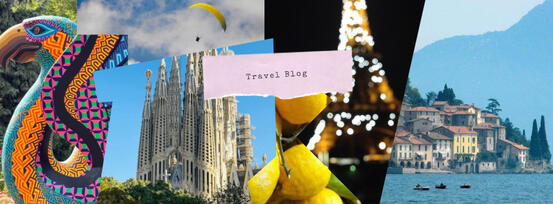

Rich in history, culture and flavor, Barcelona should be on any travelers bucket list. If you have only 3 days to see the city, here’s the itinerary I’d recommend based on our recent trip last October. It's a great balance of iconic spots and local gems, so you’ll really get a feel for the city.Day 1:
Check in to the elegant Hotel Pulitzer (conveniently located near the bustling Placa de Catalunya), then head out to explore the historic Gothic Quarter. It’s super easy to lose track of time here with all the narrow streets and hidden gems. But it’s okay to get lost here, soak up your surroundings and breath in the local culture. Learn about Spain’s most famous artist at the Picasso Museum—it’s such a cool way to see his evolution as an artist. Afterward, make your way to Bodega La Palma for an authentic tapas experience and vermouth that is not messing around!Day 2:
No trip to Barcelona would be complete without learning about architect Antoni Gaudí and marveling at his masterpieces. Start at the Sagrada Familia in the morning—the light through the stained glass is absolutely breathtaking (book online ahead of time). Then, make your way to Casa Batlló, Casa Mila, and finally Casa Vicens in the Gràcia neighborhood for a full Gaudí experience. Grab a bite at Taverna El Glop, then make your way back towards the Gothic Quarter and finish off with a visit to the MOCO Museum. It's full of modern and contemporary art, which is a fun contrast to everything else.Day 3:
On your last day, start with a stroll in Gaudí’s iconic Park Güell (book in advance!). The colorful mosaics and views of Barcelona are the perfect way to start the morning. For more amazing city views, take the gondola up to Montjuïc Castle. Before you go, grab a bite at one of the local markets—look up Mercat de la Boqueria and Mercat de Santa Caterina. End your evening with a glass of absinthe at Bar Marsella, once frequented by Picasso, Hemingway and the like.You’re going to have the best time. What are you most looking forward to seeing?

Tulum, Mexico, has changed a lot since I first visited as a kid. What was once a quiet, off-the-beaten-path destination has now become a thriving hotspot. Recently, I got the chance to revisit Tulum with my husband and a couple of friends. We extended our stay after a work trip and decided to dive into everything the area had to offer—peaceful mornings, wild parties, and incredible natural wonders.Our Airbnb, tucked away in a secluded residential beach cove, was the perfect escape from Tulum’s busy side. The place had everything we could have wanted, including kayaks, which quickly became my morning ritual. There’s something unbeatable about gliding over the calm, glassy waters at sunrise with nothing but the sound of the ocean around you. We rarely saw anyone else during our stay, and that quiet seclusion set a peaceful tone for the trip.But, of course, Tulum’s new reputation as a party destination was hard to ignore. In the spirit of embracing it all, we spent a day at Tantra Beach Club, a bohemian luxury beach club right on the water. The prices definitely matched the luxury vibe, but it was a fun, laid-back day. We even told the staff it was my birthday (it wasn’t), which led to hourly appearances by bikini-clad women pouring shots and singing “Happy Birthday” with sparklers. Ridiculous? Absolutely. Worth it? 100%.Walking through Tulum afterward was quite the experience—there were trendy boutiques on every corner and a lot of party energy in the air. It’s not exactly off the grid anymore, and you can expect to be offered all sorts of things, including drugs, as you wander around. Still, the town’s charm remains, and Tulum’s natural beauty is as striking as ever.One of the highlights of the trip was a cenote tour that took us deep into Tulum’s jungle. It was an adventure from the start—piling into the back of a truck, bouncing down a muddy jungle road, beers in hand. Before we visited the cenotes, a local shaman performed a blessing to honor the sacredness of these underground caves, which I really appreciated. It was a beautiful reminder that these are more than just swimming spots—they hold deep cultural significance.Exploring the cenotes felt like stepping into a secret world. These underground lakes are unlike anything I’ve seen, with crystal-clear water, towering cave formations, and strange little fish that don’t even have eyes due to the darkness. By the time we got to the final cenote, we were repelling into the cave itself—a slightly nerve-wracking but totally exhilarating experience. Afterward, we kicked back with cold drinks and hammocks, reflecting on just how wild and wonderful the day had been.On another day, we took a trip to an open-air cenote that looked more like a giant, crystal-clear lake surrounded by jungle. It was famous for a local celebrity: the “friendly crocodile.” While everyone else in my group rented snorkel gear to explore the water up close, I opted for a paddleboard. Let’s just say I wasn’t totally sold on the idea of swimming with a crocodile, friendly or not! Fortunately, the croc was happily sunning itself on the shore across the way, and we all got to see it from a safe distance. Paddleboarding in such a serene, gorgeous spot was the perfect way to cap off the day.Tulum is a place of contrasts—where wild parties meet breathtaking natural beauty. Whether you’re seeking peace, excitement, or a bit of both, Tulum has it all. For me, it was the cenotes that truly made the trip unforgettable, and I highly recommend adding them to your must-see list.
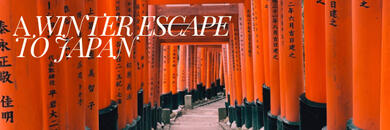
Japan is the ultimate winter escape, especially if you’re someone who craves the perfect mix of adventure, culture, and relaxation. Imagine shredding some of the best powder on the planet during the day and unwinding in a serene hot spring by night. The Japanese Alps deliver epic ski days, with insane backcountry runs and cozy resort vibes, while spots like Niseko are powder heaven for snowboarders and skiers alike. Plus, when you’re not on the slopes, you get to dive into Japan’s vibrant cities, explore ancient temples, and indulge in mouth-watering ramen and sake. Whether you’re looking to carve fresh tracks or soak up the après-ski scene, Japan’s got you covered—which is why I’ve put together this perfect winter itinerary to make your Japan adventure unforgettable!🏙️Tokyo: Start Your Adventure HereBegin your adventure in Tokyo, staying in the vibrant Shinjuku district. This bustling neighborhood is the perfect base for exploring the city. Enjoy a night out in Golden Gai, where you can sample delicious drinks and local food. A visit to Harajuku for unique shopping is also a must.
While in Tokyo, make sure to visit Meiji Shrine, a beautiful oasis in the heart of the city. Dedicated to Emperor Meiji and Empress Shoken, this shrine is significant in Japanese history as it symbolizes the Meiji Restoration, which marked Japan’s transition to modernity in the late 19th century. The tranquil atmosphere and lush surroundings provide a refreshing break from the urban hustle.❄️ Hakuba: Skiing in the Japanese AlpsReady for some fresh powder? Head to Hakuba Valley in the Japanese Alps, which is an ideal winter destination for skiing. Stay in any of the close-proximity resorts, including Happo-One, Tsugaike, and Cortina, each offering incredible powder and unique cultural experiences.
At the base of the lifts in the tiny resort villages, discover an array of food trucks, live music, and quaint bars, creating a lively après-ski scene that is fun for all ages. In Tsugaike, you may even find a street-side onsen where you can soak your weary feet after a long day on the slopes.
Don’t miss the opportunity to experience the onsen culture in Japan, your body will thank you—especially after a long day of skiing. Onsens, filled with natural spring water, offer a tranquil and restorative experience. If your hotel does not have its own onsen, you can visit the onsen at Cortina Resort by requesting an onsen pass in the lobby.
For a delightful dining experience, check out Izakaya Cakuichi (居酒屋かくいち) in Hakuba. This cozy spot offers delicious Japanese cuisine and a warm atmosphere that perfectly complements your winter adventure.
Consider taking a day trip to Matsumoto Castle, a stunning all-black samurai castle that is highly recommended. Other day trips in the area include the Oni Matsuri (Fire Festival), if you time your visit right, and a chance to see the famous snow monkeys in Jigokudani Monkey Park.⛩️ Kyoto: A Deeper Dive into Japanese CultureAfter Hakuba, travel to Kyoto, where you can immerse yourself in the city’s rich history and stunning architecture. Rent bikes and navigate along the historic riverfront and keep your eyes peeled as you may see a geisha or two!
Make sure to visit the iconic Fushimi Inari Taisha, known as the Rice Shrine, which is dedicated to Inari, the Shinto deity of rice and agriculture. The shrine is famous for its thousands of vibrant red vermillion Torii gates that wind through the forest, creating a picturesque path that symbolizes the abundance of rice harvests. The hike to the top is most definitely worth it (remember to wear good walking shoes!), with impressive views of the city from the summit.
Tōji Temple (東寺) in Kyoto is a must-visit for anyone seeking a blend of history and tranquility. Its stunning five-story wooden pagoda, built in the 8th century, towers majestically over the landscape, inviting you to explore. Step inside to be captivated by larger-than-life sculptures of Buddhist deities that fill the temple with a sense of peace and reverence. Strolling through the temple grounds, you'll feel the rich cultural heritage and craftsmanship that make Toji a truly enchanting destination.
Don't miss Sanjūsangendō (三十三間堂), a stunning Buddhist temple featuring 1,001 golden Kannon statues, the goddess of mercy. Visiting this temple offers another unique glimpse into Japan's Buddhist heritage and artistic craftsmanship—it's truly an experience you won't forget.
When you're in Japan, diving into the local food markets is a must. At Kyoto’s iconic Nishiki Market, you'll find a vibrant array of stalls bursting with seasonal delicacies and traditional dishes. From mouthwatering pickled vegetables to irresistible sweets, this market is a feast for the senses and a true foodie paradise waiting to be explored.
For a truly unforgettable night out in Kyoto, make your way to Bee's Knees—a hidden Prohibition-era speakeasy tucked behind a yellow door marked “The Bookstore.” Step inside to be transported to a world of mixology mastery, where talented bartenders showcase the art of Japanese cocktails. Sip on expertly crafted drinks in an intimate setting that’s full of character and charm—an experience you won’t want to miss!🏯 Osaka: A Foodie Day TripResdy for your next adventure? Osaka awaits! Hop on the Shinkansen (speed train) and take a day trip to Osaka, where the Dotonbori district offers a vibrant food scene. This area is renowned for its neon lights, lively atmosphere, and delicious street food. Sample local specialties like takoyaki (octopus balls) and okonomiyaki (savory pancakes) while enjoying the bustling city scene.
Castle lovers must see the stunning Osaka Castle, and to cap off the day, visit the Umeda Sky Building for breathtaking sunset views, but be warned—it’s not for the faint of heart or those afraid of heights!———🇯🇵 Pro Tips for First-timers in Japan:🧳 Black Cat Luggage Delivery:
Utilize the Yamato Transport (Black Cat) service to transport your luggage, so you don’t have to haul your ski gear around. Their offices are usually located in train stations or airports. Look for the little black cat logo. Your gear will arrive safely at your hotel, making travel much more convenient.🛜 Pocket Wi-Fi Rentals:
Rent a pocket Wi-Fi device to stay connected throughout your trip. This will make navigation and communication much easier, especially when exploring cities or skiing in the mountains. You can rent these at almost any airport or train station.💴 Carry Cash:
In Japan, cash is still king! Many small shops, restaurants, and even some rural areas don’t accept cards. Prioritize ATMs (7-11 is always a good bet) and make sure to have yen on hand for a stress-free trip!😋 7-Elevens, Lawsons, and Vending Machine Culture:
Japan is famous for its convenience stores like 7-Eleven and Lawson, where you can find a variety of quality, affordable, ready-to-eat meals, snacks, and drinks. Additionally, the country boasts an array of vending machines offering everything from hot coffees in cans to tasty snacks. Don’t miss out on trying Pocari Sweat for hydration while skiing. The hot coffee cans are a delightful surprise during winter trips!———I hope you have a fantastic trip to Japan! If you enjoyed this guide, please let me know your feedback.
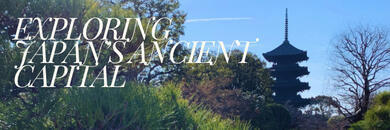
Kyoto is a place that demands more than just a passing glance; it’s a city that rewards curiosity, inviting you to wander through its quiet alleys, ancient temples, and vibrant markets. My husband and I spent three days immersed in Kyoto’s unique blend of history, culture, and culinary delights, exploring by foot, bike, and even the occasional train. Here’s everything we discovered (and what’s still on our list) to help you plan your own journey through this remarkable city.🔑 Where We Stayed:We began our adventure at Sakura Terrace, The Gallery, conveniently located near Kyoto Station. It served as the perfect base for our exploration, with easy access to transportation and a welcoming atmosphere that made for a comfortable stay. The complimentary welcome drink was a nice touch, providing a moment to unwind in their courtyard and enjoy the music from the hotel’s adjacent piano lounge before diving back into the city’s allure.The rooms were small yet cozy and provided everything we needed. While we enjoyed our stay here for its convenience, we quickly fell in love with the Gion District, Kyoto’s iconic Geisha District, and will likely stay there on our next visit. Gion felt like stepping back in time, with its narrow streets, glowing street lanterns, traditional wooden machiya houses, and the occasional glimpse of a geisha or two hurrying to an evening engagement.🚲 Getting Around Kyoto:Kyoto is best experienced at a slower pace, and for us, renting bikes was a game-changer. It allowed us to cover more ground while still taking in the sights and smells that make each neighborhood distinct. The city is incredibly bike-friendly, and it’s definitely worth considering if you want to get around efficiently and still feel connected to your surroundings.⛩️ What to See and Do in Kyoto:Toji Temple is a must-visit for its towering five-story wooden pagoda—the tallest in Japan. The temple dates back to the 8th century and serves as a peaceful retreat from the city’s hustle. We wandered the expansive grounds and explored each of the meditation halls. Inside, we found ourselves standing before larger-than-life golden Buddha and Bodhisattvas, whose presence seemed to fill the air with a profound calm. The intricate details of the hand-carved statues, along with the quiet stillness of the temple, create an atmosphere that feels otherworldly.No visit to Kyoto would be complete without a stroll through Nishiki Market, known locally as “Kyoto’s Kitchen.” The market is a sensory overload, with vendors calling out their specialties, the sizzle of cooking, and the vibrant colors of fresh produce and handcrafted goods. If you dare—indulge in some adventurous snacking while you’re here. Start simple by sampling dango (grilled rice dumplings) with a sweet soy glaze, and if you’re up for a more exotic offering: baby octopus stuffed with quail egg. From traditional matcha to special souvenirs—there’s so much to see that you’re bound to find something that tickles your fancy here.Make your way to the Philosopher’s Path, a picturesque canal-side walkway lined with cherry trees. Although we visited during winter and missed the famous cherry blossoms, the tranquility of the path still made for a serene experience. There was something poetic about the leafless branches stretching overhead, casting shadows on the water below. I could imagine how stunning it would be in spring or fall, with the trees ablaze in bloom or shades of autumn.🍣 Dining in Kyoto:To nobody’s surprise, Kyoto is a feast for the senses. We hit up Musashi Sushi 寿しのむさし 三条本店, a no-frills conveyor belt joint and a sushi lover’s playground. Plates of fresh nigiri and inventive rolls drifted by, offering something new with every pass. You grab what you want, when you want it—no pretension, just fresh fish on a moving conveyor. It’s a tasty thrill ride you won’t want to miss.One of our most memorable meals happened purely by chance at Rokudenya Pontocho 六傳屋 先斗町店, a tiny hole-in-the-wall serving traditional Japanese and Chinese cuisine. The tantalizing steam and smoke spilling from the doorway lured us in, and with no English menu in sight, we decided to dive in headfirst. What we ended up with was a soul-warming bowl of hot pot and some delightful sake. It was the kind of meal that felt like a warm hug after a day of exploration, perfectly embodying the joy of travel—delicious food and an unforgettable atmosphere that stays with you long after the last bite.🍶 Kyoto Bars and Nightlife:Kyoto has a thriving craft beer scene that’s definitely worth exploring. Beer Bar Miyama 162 is a great spot for sampling local brews and whiskeys, while The Bee’s Knees (look for the yellow door that reads “Book Store”) offers a speakeasy vibe that’s intimate and welcoming, perfect for enjoying a well-crafted cocktail accompanied by incredible showmanship. If you’re seeking another atmospheric bar, L’Escamoteur shouldn’t be missed; with its French flair and eclectic decor, it feels like you’ve stumbled into a hidden world, offering a cozy escape after a day of exploration.For those curious about novelty experiences, the Kemuri Mist Jungle is an adventure in its own right. An immersive bar featuring swings, flashing light-up drinks, and even an “alcohol mist room” where you can inhale misted alcohol, whether or not this is your vibe—it certainly unique enough to make the list for those looking for something different.✨ More Places to Add to Your Itinerary:Kyoto is filled with noteworthy sites, and there’s never enough time to see it all. Here are some places that are still on our list (or that we’d recommend based on reputation):• Kinkaku-ji (Golden Pavilion): Famous for its gold leaf-covered facade that reflects beautifully off the surrounding pond. A quintessential Kyoto experience that’s high on our list for next time.• Nijo Castle: Built in 1603 for the Shogun, this castle offers a glimpse into the life of Japan’s military elite. The interiors feature beautiful woodwork and intricate paintings, while the gardens outside provide a quiet escape.• Sanjusangendo Temple: Known for its 1,001 life-sized wooden statues of Kannon, the goddess of mercy, coated in gold leaf. It’s a sight that I had studied in school and always wanted to see in person.• Kodai-ji Temple: A place for quiet reflection, featuring a tea house and seasonal light festivals. We hear it’s a spectacular spot in the evening.• Arashiyama Bamboo Grove: A short train ride from central Kyoto, this magical bamboo forest is a must-visit. Afterward, head to Iwatayama Monkey Park for a fun adventure with the monkeys.🏮 Gion Neighborhood:As mentioned, our favorite area was Gion, where we could have easily spent more time. There’s an undeniable allure to its streets, with lanterns hanging outside tea houses and traditional restaurants. We loved wandering here, especially in the evening when the streets come alive with a blend of locals and curious travelers hoping for a glimpse of the geisha culture.🍁 Seasonal Recommendations:Timing your visit can dramatically affect your experience. Spring (March-May) brings cherry blossoms that transform Kyoto into a pink wonderland. In autumn (October-December), the city glows with vibrant foliage. Winter (December-February) offers a quiet beauty, especially in the gardens, while summer (June-August) can be hot and humid, but the Gion Matsuri in July is a must-see festival.▫️▫️▫️Kyoto is a city that deserves your time and your curiosity. There’s always more to see, from hidden shrines to bustling markets, and every visit reveals something new. We left with a long list of places for our return and the feeling that, despite all we saw, we’d only just scratched the surface.Whether you find yourself in the tranquil gardens, among the vibrant stalls of Nishiki Market, or savoring a bowl of ramen, Kyoto has a way of weaving itself into your heart, encouraging you to return again and again.
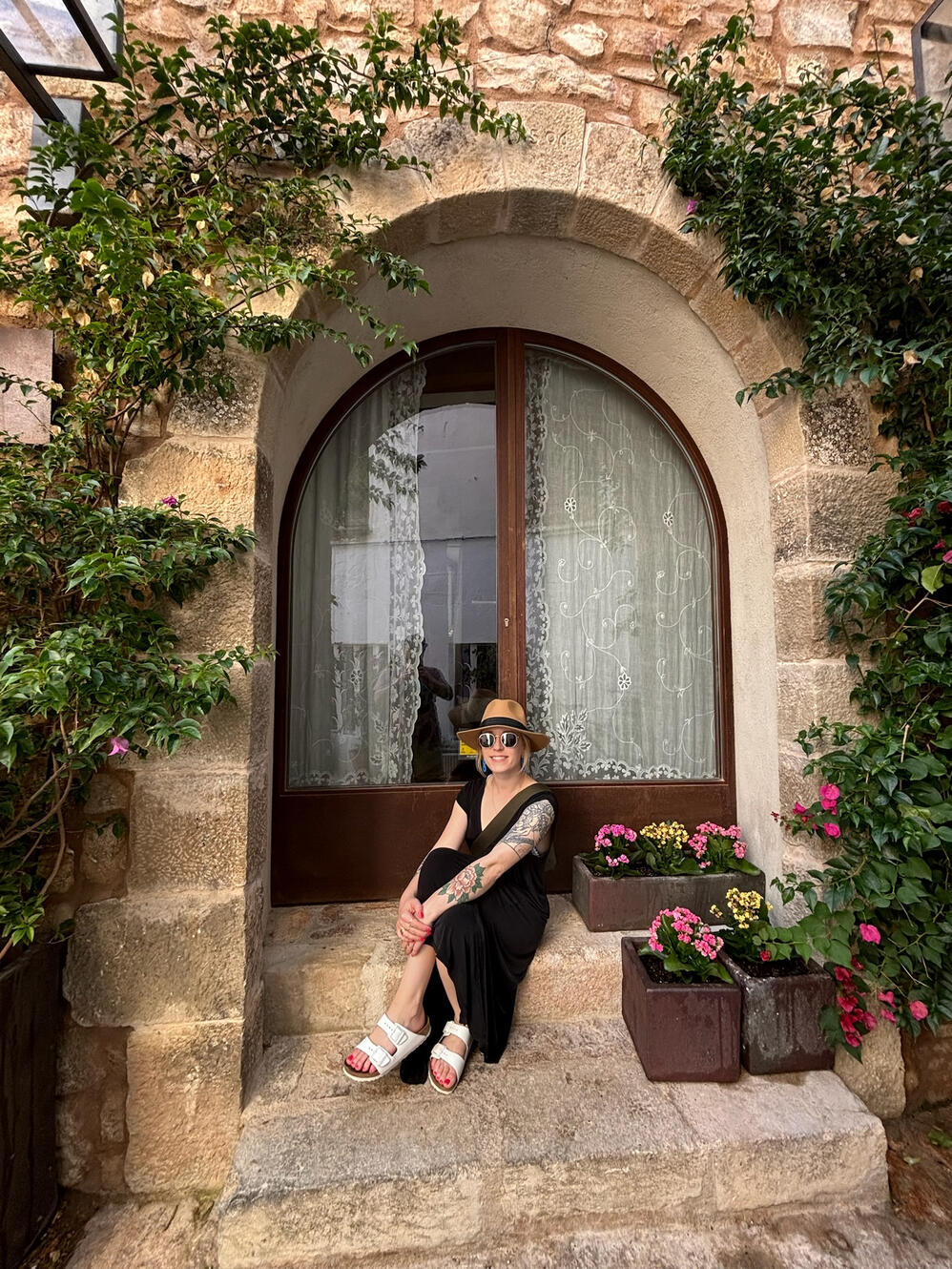
Welcome to my travel blog! I’m Caitlin, a passionate traveler who has explored 21 countries across four continents, including North America, Europe, Asia, and Central America. My wanderlust began at a young age, inspired by my Norwegian heritage and a family that embraced adventure. At 16, I studied abroad in the Netherlands, where I lived with a Dutch family and attended school just outside Amsterdam for a year. This immersive experience deepened my appreciation for different cultures, languages and cuisines, and sparked my desire to uncover new places around the world.On this blog, I share travel tips, destination guides, and personal stories to help you navigate your own adventures. Whether you’re looking for inspiration for your next trip or practical advice to enhance your travels, you’ll find it here. Join me as we explore the beauty and excitement of travel together!📧 Feel free to reach out at [email protected] to connect, collaborate or share your travel experiences.